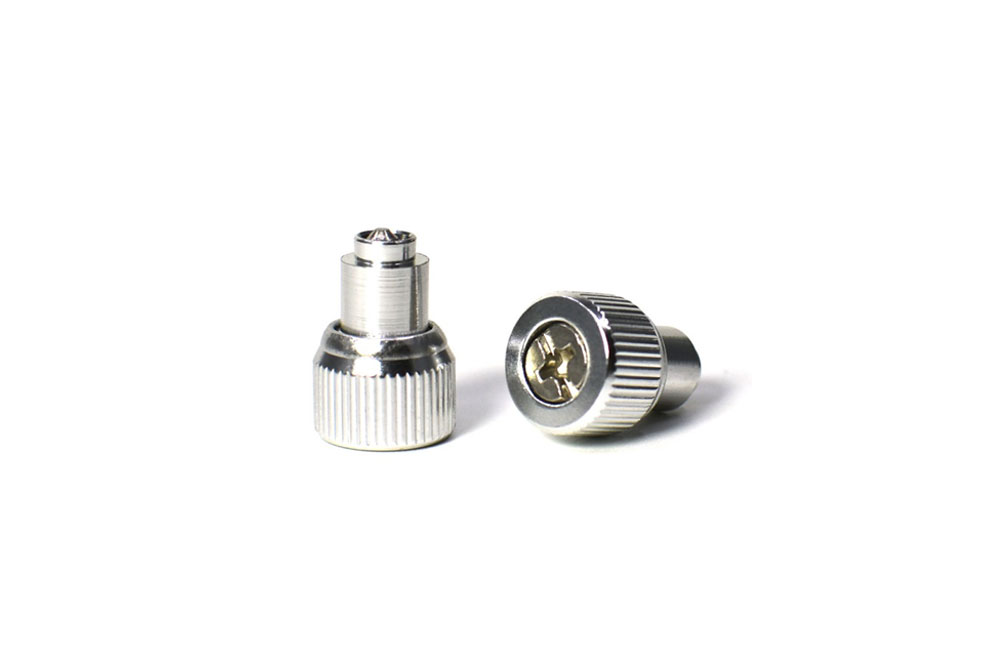
Unlike ordinary screws, spring captive panel screws are not commonly encountered in everyday life; they are applicable only to the joining of thin sheets in certain specific fields. Consequently, many people are unfamiliar with their working principles and structural design.
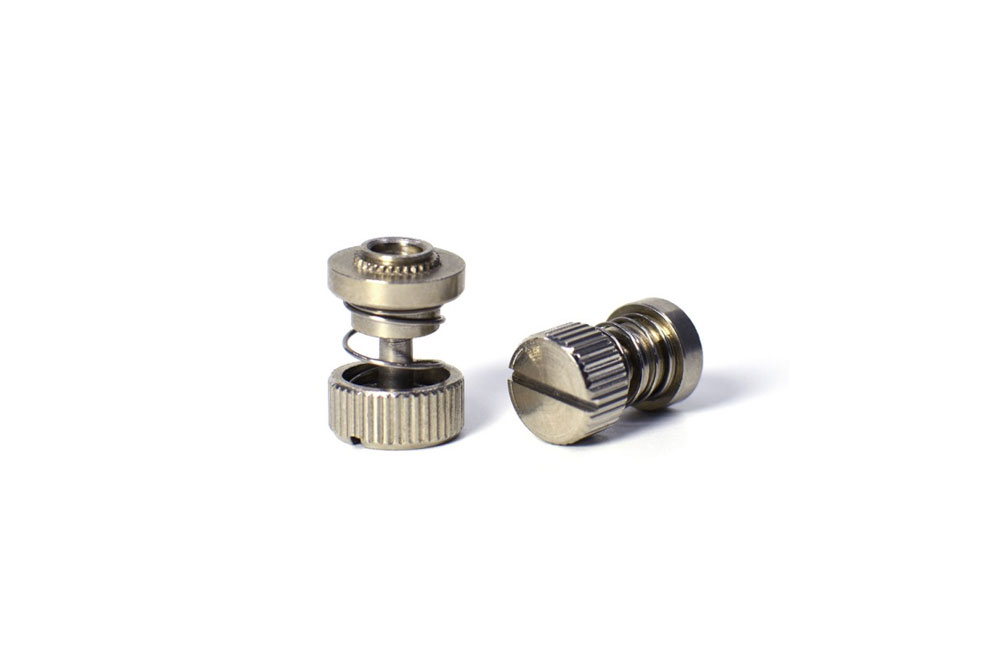
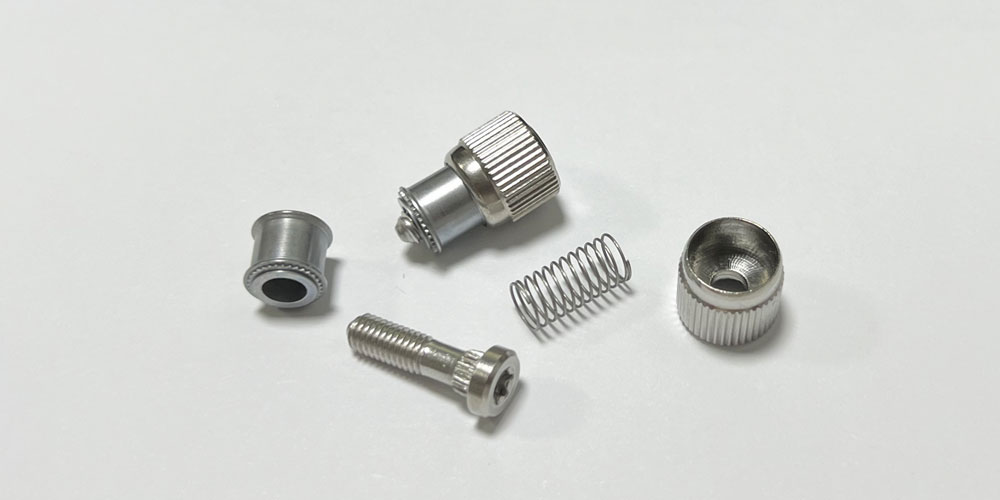
Spring captive panel screw typically consist of four main components: a shell, a rivet sleeve, a screw, and a spring.
The shell generally features straight knurling to facilitate direct hand-tightening; the surface color is primarily natural color, black, or silver.
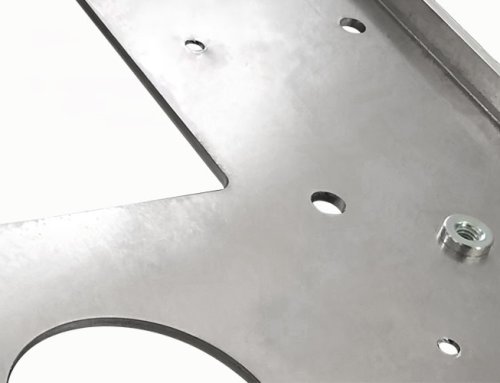
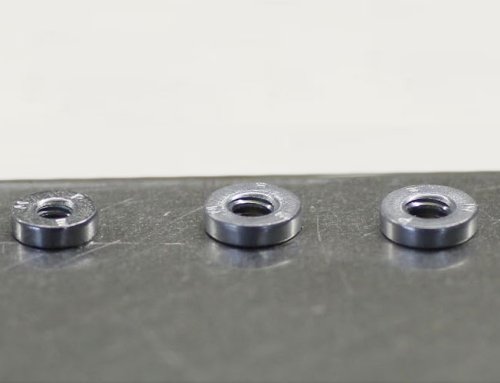
The rivet sleeve features splines, which are riveted into a thin sheet to provide both fastening and connecting functions.
The screw head can feature various slot types—such as slotted, Phillips, internal hex, or Torx, the screw serves the primary function of connecting to the mating component.
The spring serves the primary function of providing the necessary axial extension and retraction for the screw.
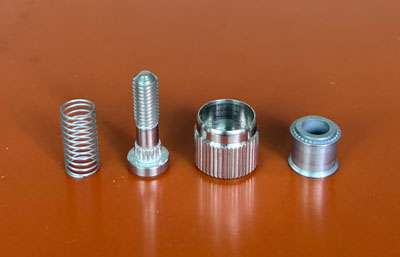
How do you assemble all the components to form a spring captive screw?
First, use a stamping machine to press the screw into the shell, firmly securing the two components together. Next, put a spring onto the screw, then place the rivet sleeve onto the spring; Finally, use same stamping equipment to tighten the edges of the shell, thereby encasing the rivet sleeve. With this step, a finished captive screw assembly is complete.
Check below video to get more details:
Where can you buy these captive panel fasteners?
You can visit our website www.thank-tech.com to learn more details about our spring captive panel screws, I believe you can find the right fastener for your needs.
If necessary, you can contact our customer service representatives online or send us an email
our colleagues will provide you with professional assistance.